Think less about food.
Nutrition and counselling for women who want to stop fighting food and start trusting their bodies again.
It's exhausting to know all the rules and still feel stuck.
It shows up differently for everyone. Maybe a scary doctor's checkup or gut issues that won't go away. Or a night of binge eating. Or food noise that never turns off. And somehow, everything always seems to come back to the number on the scale.

There's nothing wrong with you. And there's a different way.
Somewhere along the way, diet culture can break your relationship with food. That's the part we help you heal. Instead of trying to control your body, we help you trust it and care for it.
You can stop explaining yourself here.
After seeing hundreds of women who feel alone, and like something's wrong with them, very little surprises us. You can say the thing you've never said out loud and watch us not flinch. We're here to listen, and to truly understand you.
But more than that, we have experience with the shame and guilt that are tangled up with eating. Healing a fractured relationship with food takes more than basic nutrition advice.
That's why we take a mental-health-informed approach to nutrition.

Jessica Begg
Also specializing in eating disorders and body image.

Lily Barrett
Also specializing in digestive and gut health.
Get healthier, without the diet.
No more starting over every Monday, or bracing for the number on the scale. Our work is grounded in connected eating and a weight-neutral approach. You may lose weight, gain weight, or stay the same. That's not what we're tracking.
What changes is that food stops running the show, and you get a fuller, healthier, more confident life.
“You are worthy and enough right now. (Not fifteen pounds from now.)”
What our dietitians help with
Most of these are tangled up with your relationship with food. So we treat the whole picture, not just individual symptoms.
Feel at home in your body.
Our clients get their health back on track. And the food noise in their heads finally quiets down. They:
- eat the foods they love, without the guilt
- walk the grocery store and just buy what looks good
- meet hard feelings with self-compassion, not shame
- understand and heal their own relationship with food
- become their own best advocate for their health
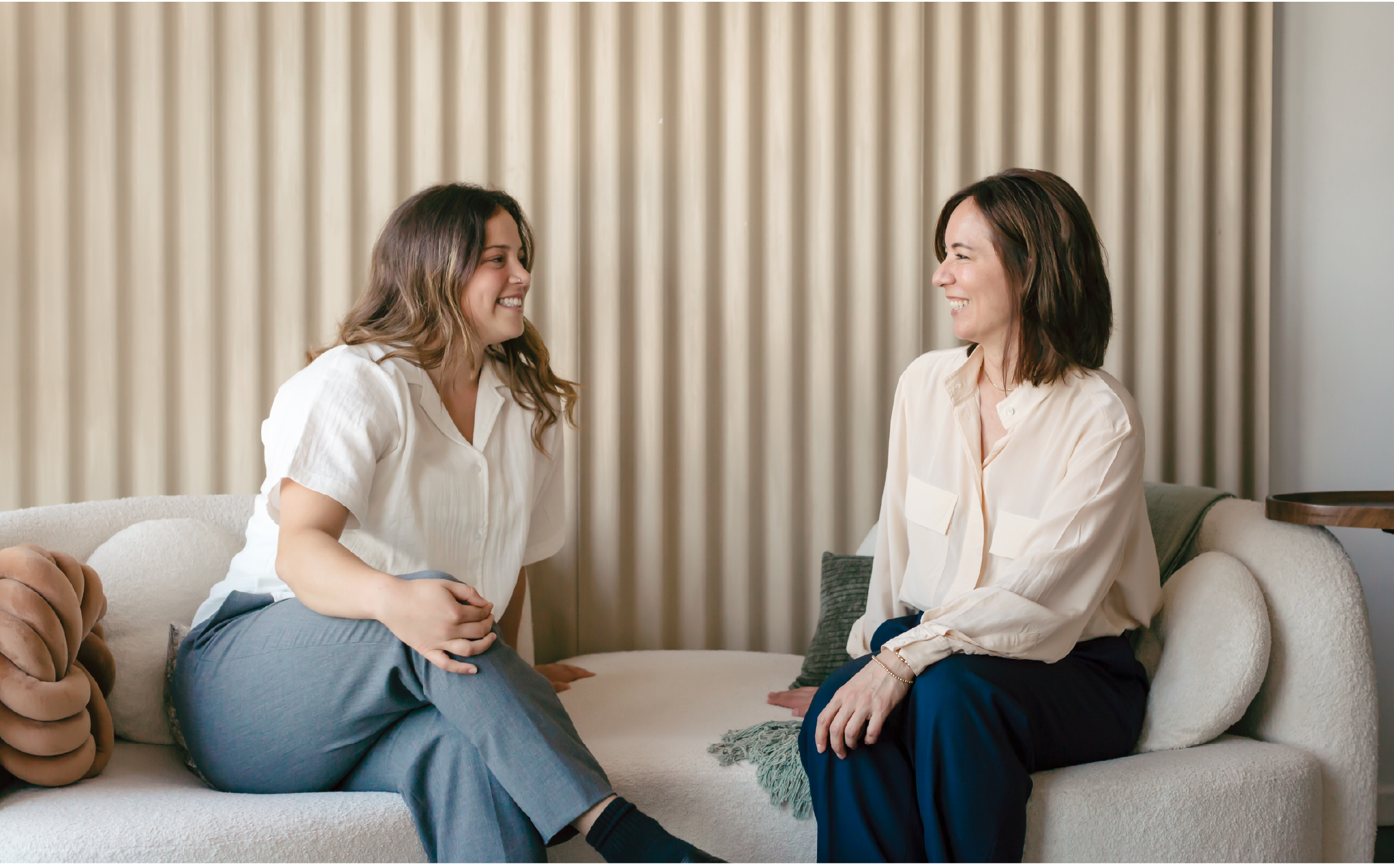
Where nutrition and mental health meet
You can know exactly what you're "supposed" to eat, right down to the calories in a cup of rice, and still find it hard.
That's because the food was never the whole story.
Food, digestion, mental health, and emotional wellbeing are deeply connected, so we look beyond symptoms to understand everything shaping your experience.
“In my family, food was the conduit for love.
I grew up in a mixed-race household with a Chinese mother, where there was always an abundance of food and an abundance of love. It taught me early that there are many good ways to eat, to live, and to be in a body. This kind of care is something I want to pass on to every client.
Over two decades in eating-disorder care, I kept seeing the same gap. Smart women knew a lot about nutrition and were still miserable around food, because no one was treating the relationship underneath.
I built Shift Nutrition & Counselling to do things differently. In [year] I brought on Lily, a dietitian who shares my approach and specializes in gut and digestive health. We're honoured to walk with women as they heal their relationship with food, and their health along with it.”
More than a meal plan
Your health
We help with health concerns like gut and digestion, blood sugar, cholesterol, and energy. Our approach is practical and evidence-based, not another fad diet.
Your relationship with food
For a lot of the women we see, food is tangled up with stress, history, and how they feel in their bodies. When we care for the whole person, healthy eating becomes sustainable (and even enjoyable!).
We don't chase the scale.
We work from an anti-diet or non-diet approach, like Health at Every Size® and intuitive eating. Your wellbeing is what's important, not external standards.
If that feels backwards, you're in good company. Most of the women we see come in convinced they need to lose weight to get healthy. They're often surprised that their health improves once we take the focus off the scale entirely.
To help women listen to and care for their bodies, and to know they are worthy and enough, exactly as they are.
Our values
Everyone is welcome
We work with women across the lifespan, and welcome people of all gender identities and expressions.
No judgment, no shame
You can bring the whole story here, and we'll listen and support you.
Against the harm
We stand against fat-phobia, transphobia, racism, and diet culture.
Meet Jessica and Lily
We're a small practice, and we both work from the same weight-neutral, mental-health-informed approach.
Not sure who's the right fit? Reach out and we'll point you to the right person.
Stop feeling out of control around food.
Emotional eating, binge eating and disordered eating are complex. You need both a clinical counsellor and a dietitian to support you. We are both.
It's exhausting to feel trapped by food.
It shows up differently for everyone. Maybe you:
- restrict all day, then swear tomorrow will be different
- brace for the nights, when the eating feels like it's happening to you
- eat when you're stressed, or when you're not even hungry, and feel the shame right after
- Google "why can't I stop eating", and have tried every plan, app, and fresh-start Monday
Whatever your eating challenges look like, they aren't a flaw in you.
At Shift Nutrition & Counselling, we've supported many women whose relationship with food got worn down over the years. Diet culture profits from it, and tells us our bodies are things to fix.
But we believe there's a better way to be healthy and quiet the food noise. With a weight-neutral, whole-person approach, you can get healthier and feel at home in your body.
You don't need to punish or control your body to feel better. You deserve support that honours your humanity.
Feel healthier, and more free around food.
Because we have team members with dietitian and clinical counselling credentials, we can work on the food and the emotions underneath it at once. We'll help you:
- Unpack what's driving your eating, including physical and emotional reasons
- Steady your eating, so the restrict-then-binge cycle doesn't happen as often
- Get back in touch with your body's cues for hunger, fullness, and satisfaction
- Build other ways to deal with hard feelings, so food isn't the only tool you've got
- Make small, doable changes that support your health and energy
- Work toward a kinder, more respectful relationship with your body, at any size
She makes me feel so normal. She cares, and she doesn't judge me. You get judgment from everywhere else.
— Client, with permission placeholderWhat our clients experience
The people we work with for binge and emotional eating often describe the same handful of changes. Over time, they:
- Eat the foods they love (without the guilt that used to follow)
- Experience more energy, calmer digestion, and better sleep
- Stop bracing for the next Monday, and the next fresh start
- See the health markers improve
- Go a whole afternoon without food crossing their mind
- Get their headspace back, and their life with it
Where nutrition and mental health meet
Shift Nutrition & Counselling is a small, weight-neutral nutrition and counselling practice in Vancouver. We're registered dietitians and a clinical counsellor with 20 years in eating-disorder care. We help you get healthier while also working on your relationship with food, so the changes you make are sustainable.
FAQs
What will we even talk about? How does food counselling work?
We talk, and we ask a lot of questions, because we need to get to know you and let you orient us to who you are. From there, we can share what we're seeing, and figure out how to meet your goals together. Our job is to help you understand yourself better, not hand you another set of rules. Some common goals we work toward with you:
- Understand the emotional and physical reasons behind your eating patterns
- Build skills to recognize hunger, fullness, and satisfaction
- Develop tools to manage emotions without turning to food in ways that don't serve you
- Break out of the restrict-binge cycle
- Reduce guilt and shame around food
- Strengthen body trust and self-compassion
Will you give me meal plans?
No! (Not really.) A lot of our clients have been harmed by structured meal plans, so that kind of rigid control isn't supportive of their healing. That said, some clients have ADHD, or feel overwhelmed by conflicting nutritional guidance, and in those cases we're happy to help with meal planning. Generally, though, we aim to move clients away from rigid control of their diet.
How do I stop bingeing without dieting?
Binge and emotional eating are often a reaction to periods of restricting food. Later on, just the thought of dieting, or "starting fresh on Monday," can trigger bingeing or feeling out of control with food. The best way to heal your relationship with food is to build consistency with eating, without restriction. From there, the next step is supporting your emotional health.
What if I don't have an eating disorder? Or I'm not sure if I do?
It's okay, you don't need a diagnosis. The truth is, we live in a culture that heavily promotes disordered eating, so none of this is your fault. Even if your eating patterns don't qualify for a diagnosis, we can still help. It doesn't matter whether your eating is "bad enough"; if you're unhappy or stressed about it, we can help.
Do you work with binge eating disorder (BED)?
Yes. Whether or not you've been formally diagnosed with binge eating disorder, we can help. Most of the people we see never had a diagnosis, and you don't need one to begin.
My doctor says I should lose weight. Can you help me?
We work with the health measures that actually matter, helping you manage things like cholesterol, blood sugar, or fatty liver. Focusing on weight loss in isolation leads to weight cycling, which is far harder on your body than a higher but steady weight over time. For us, losing weight isn't the goal, and we don't let a push for weight loss distract from your actual health.
How long will it take to heal my relationship with food?
Everybody is a little different. For most people this is long-standing, and it deserves the care it takes to heal. We're mindful that this can be costly too, so if your benefits are limited, we can supplement sessions with outside readings or podcasts to keep our work as efficient as possible. Once we meet the first time, we can give you a more informed estimate of how much time we'll likely need together.
It's freeing to not think about food constantly. I used to spend most of my day on it. Now I don't, and it's a huge weight lifted.
— Client, with permission placeholderBook your first appointment.
One appointment is the right first step for everyone. You don't need a diagnosis, or to know who you'll work with. Pick a time, and we'll take it from there.
Takes about two minutes.
Here's what happens
Pick a time
Choose a first-appointment slot that works for you.
Tell us a little
A short intake so we can prepare. Nothing you have to get "right."
We meet
We get to know you and figure out the next steps together, including who's the best fit.